Deal pages lie in predictable ways. Two weeks of actually buying, returning, and re-checking listings taught me which shortcuts make a discount real versus decorative—the filter Omega Choices runs before anything hits the homepage.
This is not a manifesto about algorithms. It is a field log from fourteen days where I stress-tested how we pick what lands on the homepage: fake strikethrough math, review depth that actually means something, return-risk categories we refuse to feature, and the difference between a listing that survives a Tuesday and one that only looks good in a screenshot.
Deal-picking editorial process (what two weeks actually measured)
Most aggregator sites treat "was higher" like gospel. I did not. I opened seller history, compared thirty-day medians where Amazon exposes them, and logged when the current price was actually the normal price wearing a costume.

Automotive example that passed review-depth and geometry checks—not toughness adjectives alone.
Check Price on AmazonFake strikethrough prices were the fastest filter. If the "deal" price matched the median for three weeks, it did not get featured. If the discount only appeared after a one-day spike designed to manufacture a comparison anchor, it went on the refuse list. I am not interested in teaching readers to feel smart about imaginary savings.

High-ticket Home pick where early owner friction notes mattered more than star average.
Check Price on Amazon
Home glass example: typical-price cut plus mixed 3.9 pile with adhesion friction.
Check Price on Amazon
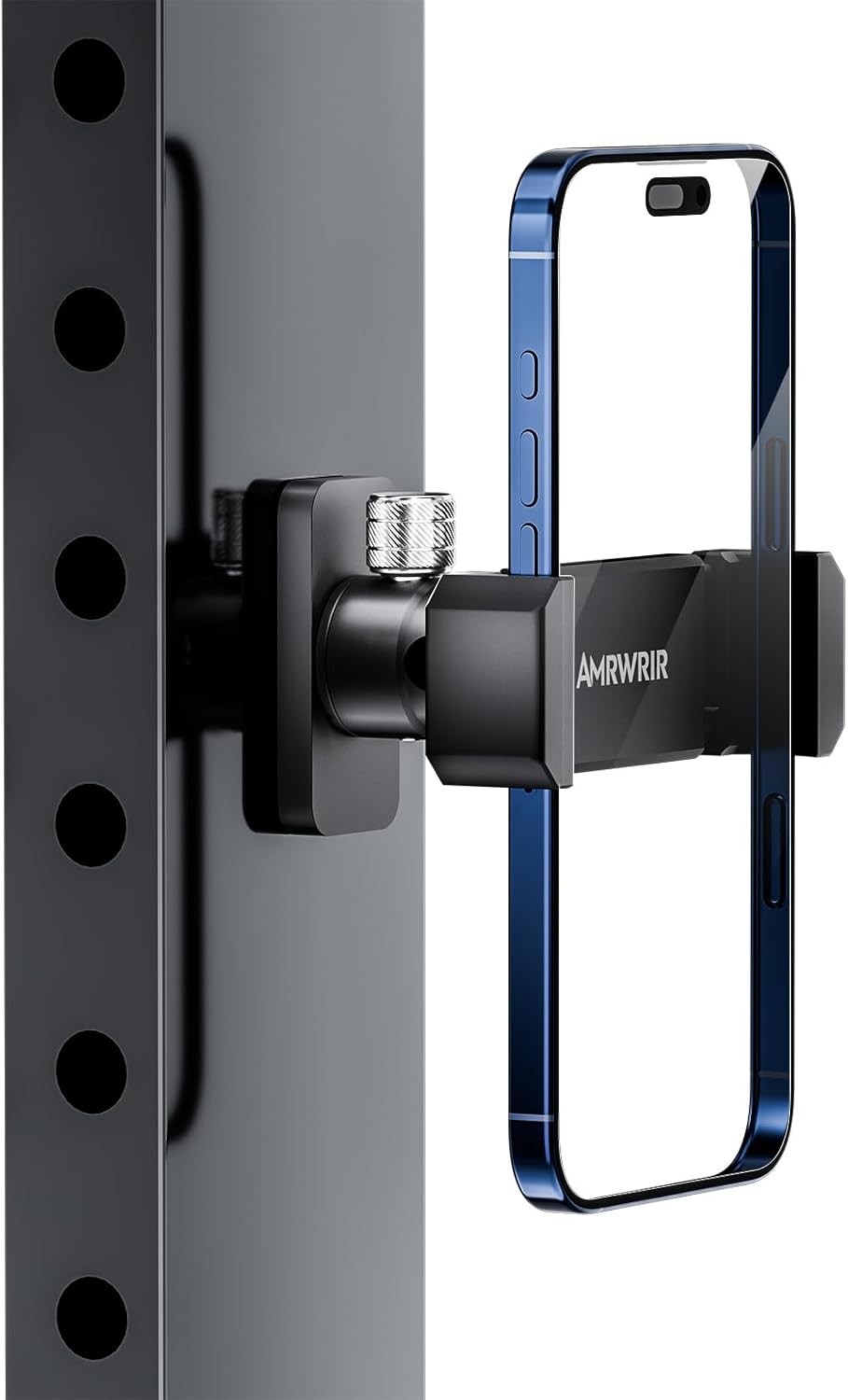
Automotive MagSafe example: typical-price cut plus mixed 4.0 pile with heat-reset friction.
Check Price on Amazon
Electronics tablet example: list-price cut plus mixed 4.1 pile with 4+28 RAM honesty.
Check Price on Amazon
Sports home-gym example: 150 lb hex kit plus mixed 4.5 pile with cramped-slot friction.
Check Price on Amazon
Home reading example: 41g bookmark clip plus mixed 4.7 pile with USB-A and bag-turn-on friction.
Check Price on Amazon
Sports hydration example: 24oz MagSafe-lid flask plus mixed 4.2 pile with push-button friction.
Check Price on Amazon
Toys glow-board example: 16-inch rechargeable doodle tablet plus thin 4.7 pile with novelty-fade friction.
Check Price on Amazon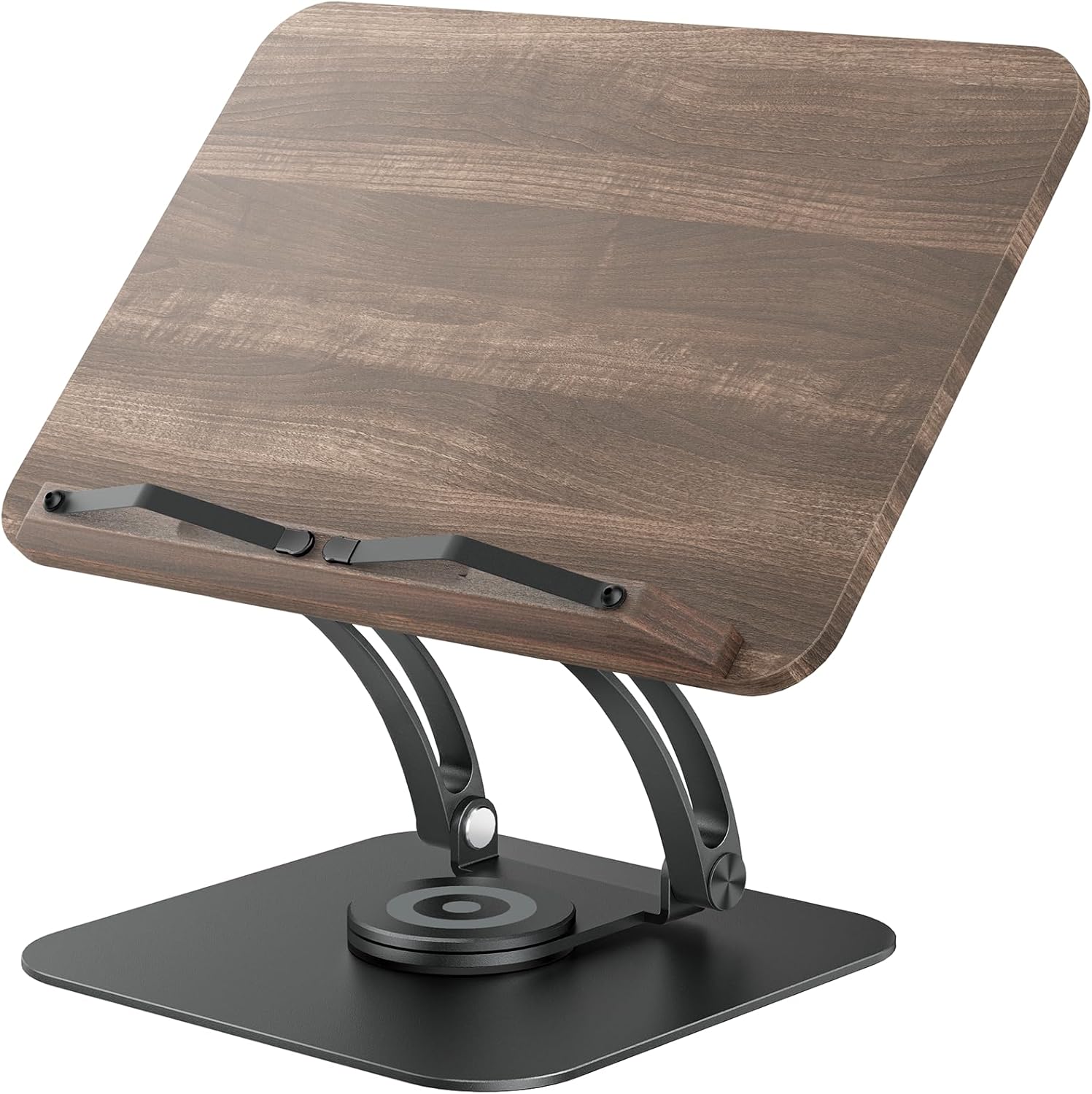
Home reading-stand example: Black RS03 360° holder plus 4.7 pile with tight-hinge friction.
Check Price on Amazon
Sports hardtail example: Black 24-inch ZT-BLACK-002-24 plus 4.8 pile with first-ride friction.
Check Price on Amazon
Pet/Electronics camera-feeder example: Black vFeeder Max 6L plus 4.9 pile with sequential-portion friction.
Check Price on Amazon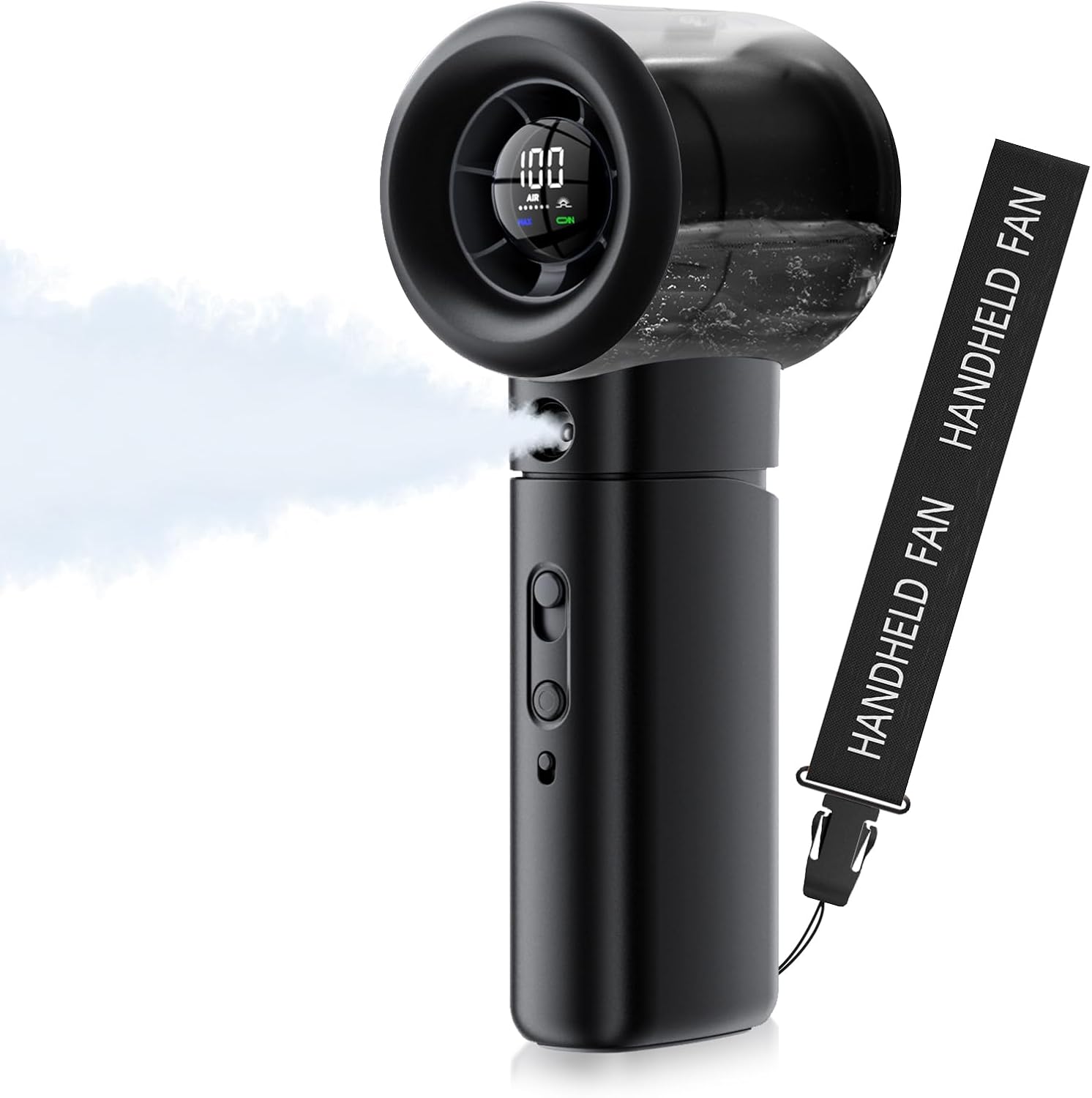
Home/Electronics misting-fan example: Black SS-058 50ml plus 3.8 pile with purse-leak friction.
Check Price on Amazon
Tools/Sports keychain-knife example: TWEEZERS KNIFE plus 3.4 pile with tiny-size friction.
Check Price on Amazon
Home/Health spin-mop example: dark-grey J0227H plus 4.4 pile with splash friction.
Check Price on Amazon
Electronics translator example: open-ear TMK009 plus 4.9 pile with 200-minute friction.
Check Price on Amazon
Health magnesium example: 8-form lemon powder plus 4.5 pile with spec-table friction.
Check Price on Amazon
Home & Kitchen utensil example: Silver-A 5-in-1 spoon plus a 2-rating pile.
Check Price on Amazon
Electronics speaker example: M99 airbag RGB plus a 3.2 tinny pile.
Check Price on Amazon
Beauty cream example: 40% urea jar plus a thick-callus honesty pile.
Check Price on Amazon
Tools glove example: 32°F C40 cuff plus a size-up honesty pile.
Check Price on Amazon
Home lighting example: 30 clip-on LED tapers plus a size-and-flicker honesty pile.
Check Price on Amazon
Health/Home example: 8-motor heated chair pad plus a vibration-only honesty pile.
Check Price on Amazon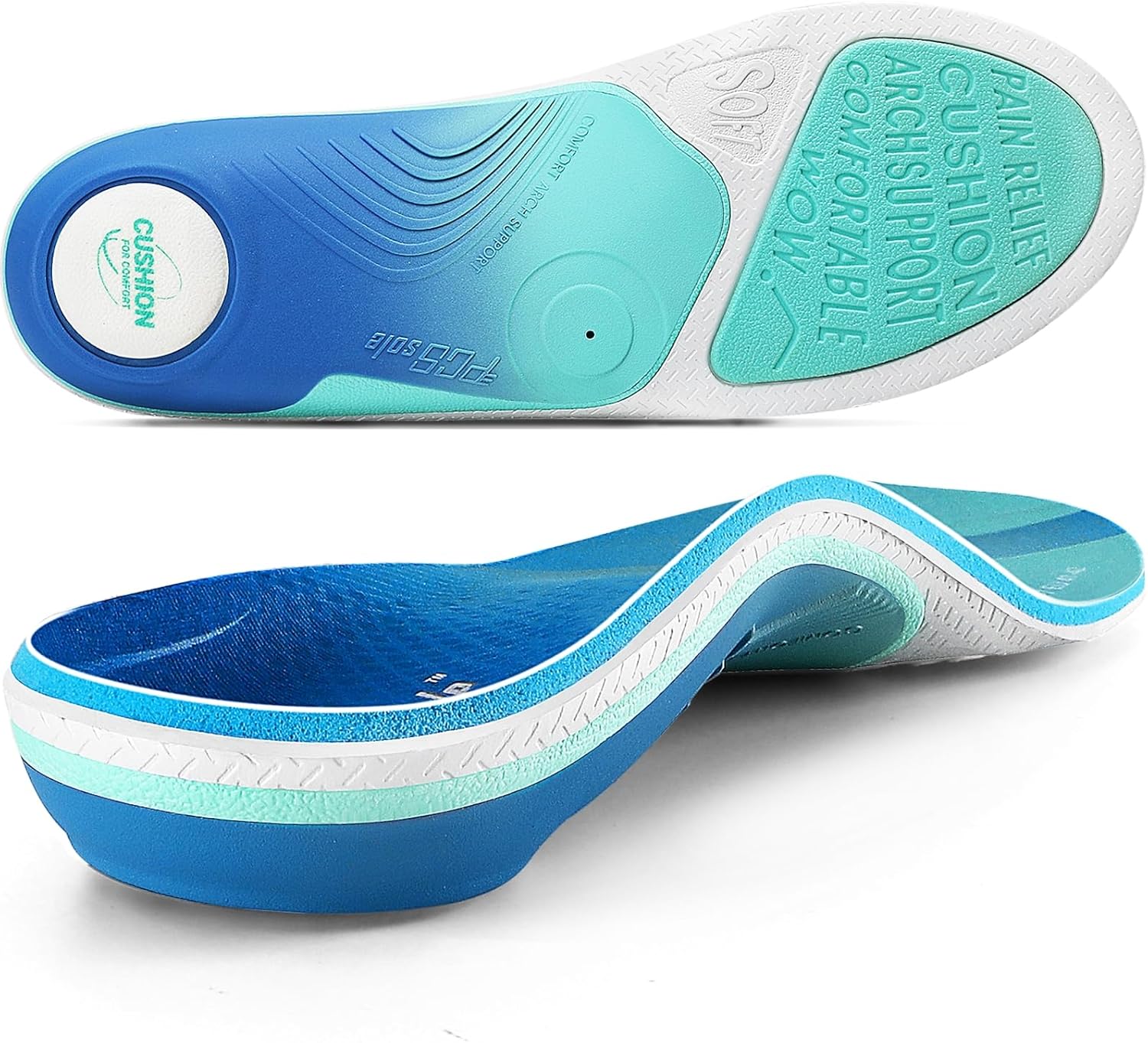
Health/Sports example: 240lb+ high-arch insoles plus a volume-and-heel honesty pile.
Check Price on Amazon
Health example: Quiet 2 reusable earplugs plus a foam-versus-reusable honesty pile.
Check Price on AmazonReview depth mattered more than star average. A four-star pool robot with forty honest notes about battery and climb behavior beats a five-star gadget with twelve reviews that all arrived the same week. You can see that pattern on our AI Vision Cordless Pool Vacuum review—early ratings, useful owner language, no invented crowd chorus.
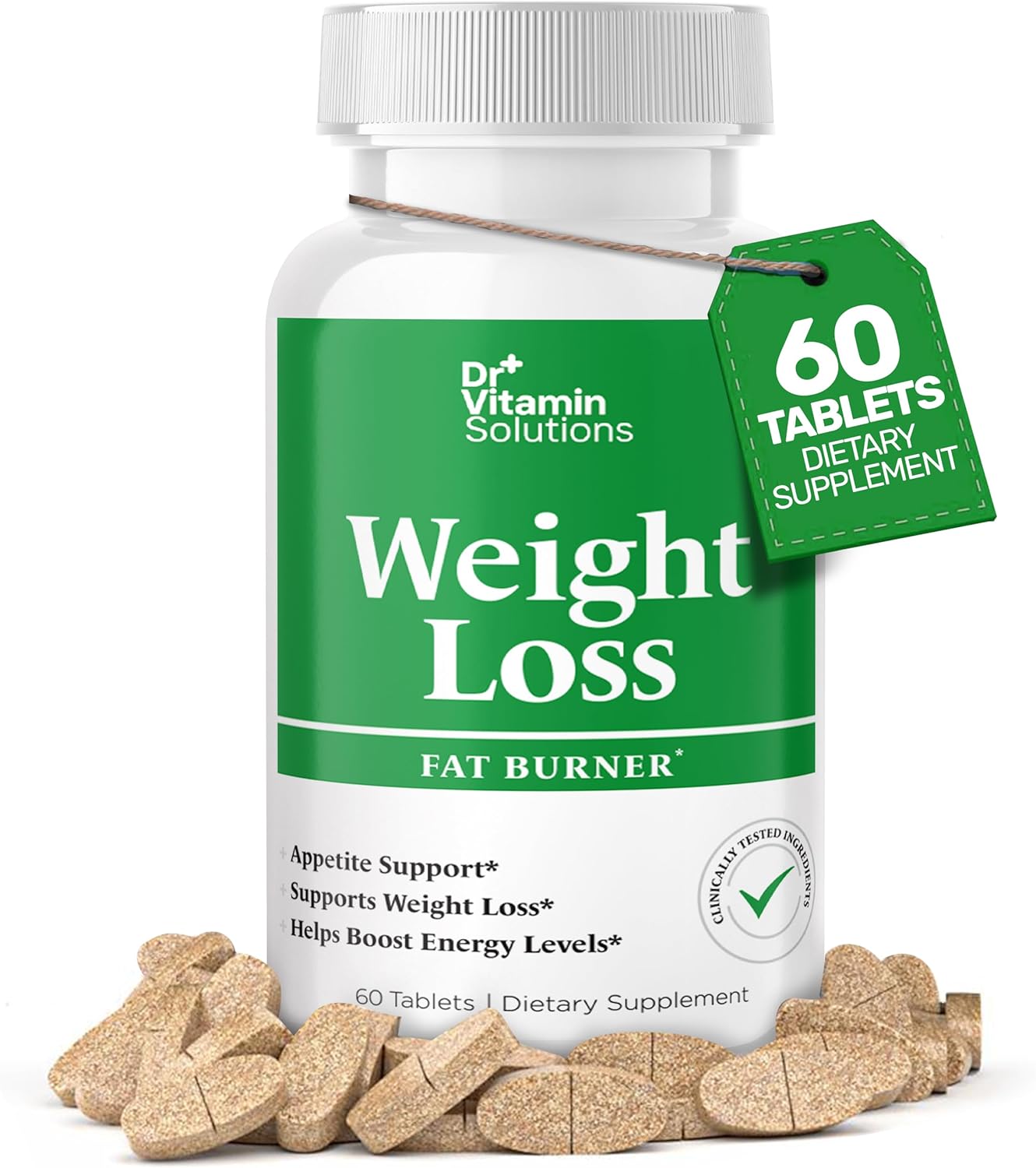
Return-risk categories get a higher bar. Wearables like the Xihan back brace review only stay featured when fit language is clear and the price discount beats "hopeful buying." Habit supplements like the DR Vitamin fat burner review get the same caution: owner friction over miracle-pill photos. Small kitchen tools like the REIDEA milk frother review get in when foam speed and cleanup friction look honest at under twenty dollars, not when the listing promises café theology.
Automotive picks need cabin context, not toughness adjectives. The VICSEED CD slot and vent mount review survived because CD-slot plus vent coverage solves real geometry problems. MagSafe gel suction gets the same heat-soak bar: Ainid MagSafe Suction Car Phone Holder review stayed because $9.99 against a $16.99 typical still has a 49-rating pile arguing cabin-heat resets and a one-day arm sag—not because 96-pound suction language looked like a holiday. The foldable windshield sun shade review survived because hot-parking season is measurable: wheel temperature, dash glare, and whether you will actually redeploy the shade after groceries. Home glass heat gets the same typical-price bar: XIAWEI Heat & UV Blocking Window Film review stayed because five dollars against a thirteen-dollar typical still has a 329-rating pile arguing adhesion and night privacy—not because a 62 percent badge looked like a holiday. Closet storage gets the same typical-price bar: Axidou Ultra Clear Hat Organizer review stayed because $24.99 against a $29.99 typical still has a 51-rating pile arguing a bump-open magnetic door—not because crystal-clear photos looked like a boutique. Front-door electronics get the same typical-price bar: LNDU WL01 WiFi Smart Deadbolt review stayed because $99.99 against a $106.99 typical still has a 35-rating pile arguing internet-only first setup and a disconnect-unlock night—not because Alexa stills looked like Grade 1 hardware.

Under-twenty kitchen habit deal that survived two-week price and use checks.
Check Price on AmazonElectronics deals must survive a living room, not a spec sheet. Our iSinbox short-throw projector review stayed on the list when streaming and auto-focus felt native in real evenings, not when the brochure shouted 4K in three fonts. Budget tablet kits get the same RAM-honesty bar: WXUNJA 11-Inch Android 16 Tablet Kit review stayed because $139.99 against a $289.99 list still has a 124-rating pile arguing travel extras, a camera that will not stay off, and a 4+28 FAQ already on the listing—not because 32GB RAM language looked like a workstation.

Pet turf example: measurable size, thin review pile, strikethrough treated as a question.
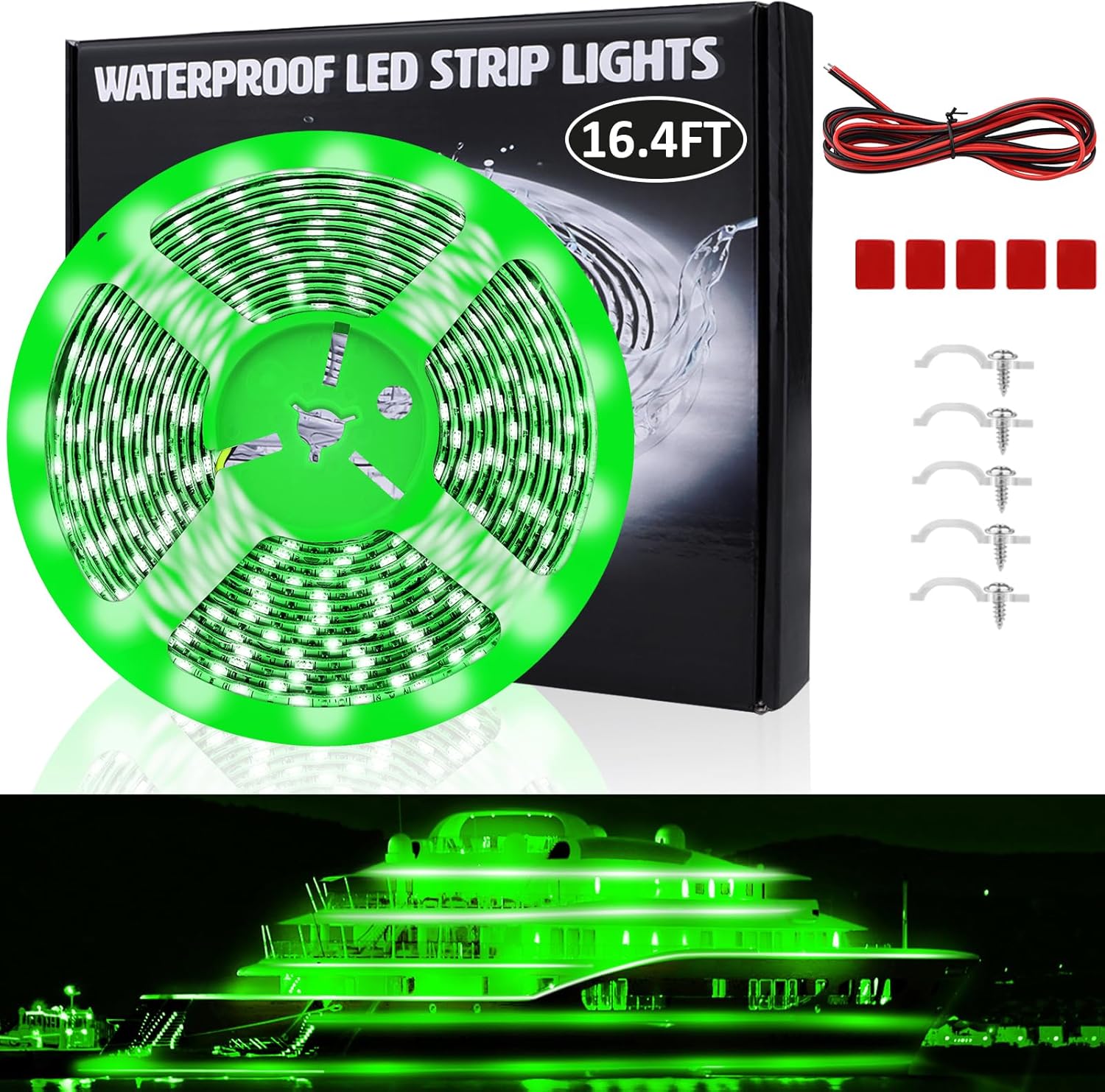
Check Price on AmazonHome-gym iron gets the same rack-honesty bar: HANDBODE Hex Dumbbell Set with A-Frame Rack review stayed because $199.99 with no strikethrough still has a 192-rating pile arguing missing-piece service and a cramped A-frame grab—not because rubber hex stills looked like a commercial gym. Bookmark clips get the same charger-honesty bar: Glocusent clip-on bookmark book light review stayed because $14.29 against an $18.99 list (25% off) still has a 21,444-rating pile arguing USB-A plug-in and a bag that wakes the LEDs—not because amber stills looked like a neck lamp. Book stands get the same hinge-honesty bar: Tounee 360° swivel book stand review stayed because $32.99 against a $39.99 list still has a 2,460-rating pile arguing iPad-in-a-case use and a tight unfold—not because 360-degree stills looked like a lockable easel. Mountain bikes get the same first-ride bar: SmiloSprk 24" mountain bike review stayed because $179.99 with no costume list price still has a 29-rating pile arguing a 12-year-old fit and pad-rub clips—not because men's stills looked like a 27.5-inch trail bike. Camera feeders get the same app-honesty bar: Vacqueen vFeeder Max camera feeder review stayed because $139.99 against $169.99 still has a 16-rating pile arguing sequential portions and no on-unit button—not because 310-degree stills looked like three cats eating at once. Handheld misting fans get the same bag-honesty bar: Nezylaf SS-058 misting fan review stayed because $24.99 against $89.99 still has a 35-rating pile arguing purse leaks and a mister that died on golf round three—not because 22,000-RPM stills looked like a dry face in 105 heat. Keychain 7-in-1 knives get the same size-honesty bar: WILLUCK 7-in-1 pocket multitool review stayed because $5.99 with no strikethrough still has a 37-rating pile arguing tiny blades and a weak detent—not because stocking stills looked like a Gerber Dime. Spin mop buckets get the same splash-honesty bar: Sarkunpio spin mop review stayed because $59.99 with Amazon's Choice still has United States notes arguing rim splash and a still-wet spinner—not because 61-inch stills looked like a six-year O-Cedar. Translation earbuds get the same minutes-honesty bar: Timekettle LiveTalk review stayed because $129.00 against $179.99 still has United States notes arguing 200 monthly minutes and a Vine pile—not because Babel-fish stills looked like a W4 Pro. Magnesium powders get the same label-honesty bar: Qivolux magnesium review stayed because $15.99 against $19.99 still has United States notes arguing lemon-versus-lime and a spec table that does not match the label—not because eight-form stills looked like a 1,000mg capsule. Cooking spoons get the same 2-rating-honesty bar: Fauppt 5-in-1 cooking spoon review stayed because $9.55 still has one United States essay arguing cookout balance—not because five-in-one stills looked like a published-thickness 304 sibling. Mini speakers get the same tinny-honesty bar: EGBULL M99 mini speaker review stayed because $13.74 still has Larry arguing TWS pairing—not because airbag stills looked like a Bugani camping boombox. Urea jars get the same thick-callus bar: NUVADERMIS 40% urea cream review stayed because $12.05 still has Sharkiesha saying it did not help her dry skin—not because Amazon's Choice looked like a prescription tube. Winter work gloves get the same size-up bar: Vgo 32°F winter work gloves review stayed because $36.53 still has Steve A. saying order one size bigger—not because a 32°F chip looked like a ski mitten. Clip-on tree candles get the same size-and-flicker bar: Koopower 30 LED tree candles review stayed because $24.99 still has Cher saying read the specs and L calling the flicker slow—not because Waterproof in the title looked like an outdoor flood. Vibration chair pads get the same technique bar: COMFIER CF-2402 chair pad review stayed because $52.99 still has Peggy saying it just vibrates and Wendy calling the neck motors loud—not because eight motors looked like a massage chair. High-arch insoles get the same volume-and-heel bar: PCSsole Pro Green insoles review stayed because $26.99 still has Allison saying hiking boots only and Annabel calling them a hurt—not because 1.4 inches looked like a custom mold. Quiet-2 earplugs get the same foam-versus-reusable bar: ZovGemy Quiet 2 ear plugs review stayed because $18.99 still has Roberta calling thin plastic a joke and a three-star saying they do not isolate—not because 45dB looked like a lab card. MagSafe gym bottles get the same lid-honesty bar: Magcheer 24oz magnetic MagSafe bottle review stayed because $32.99 with no strikethrough still has a 659-rating pile arguing ice, Pro Max lock, and a push button that came off—not because filming stills looked like a Stanley. Outdoor hardware like Yeenoon LED boat lights review gets featured when length, waterproof language, and review volume align—not when RGB marketing looks cool at midnight.

Toys example: two-pack electric fight, age-row honesty, no US written reviews.
Check Price on AmazonWhat we refuse to feature (and why that saves you time)

Home/Tools example: dusk accent kit, size honesty, tape-versus-screws owner friction.
Check Price on AmazonI refuse listings where the only story is a percentage next to a crossed-out number nobody ever paid.

Beauty/Health example: daily mist, scratch-remover name, two-rating split.
Check Price on AmazonI refuse health and posture categories when sizing is vague and the photos look like costume catalog stills.
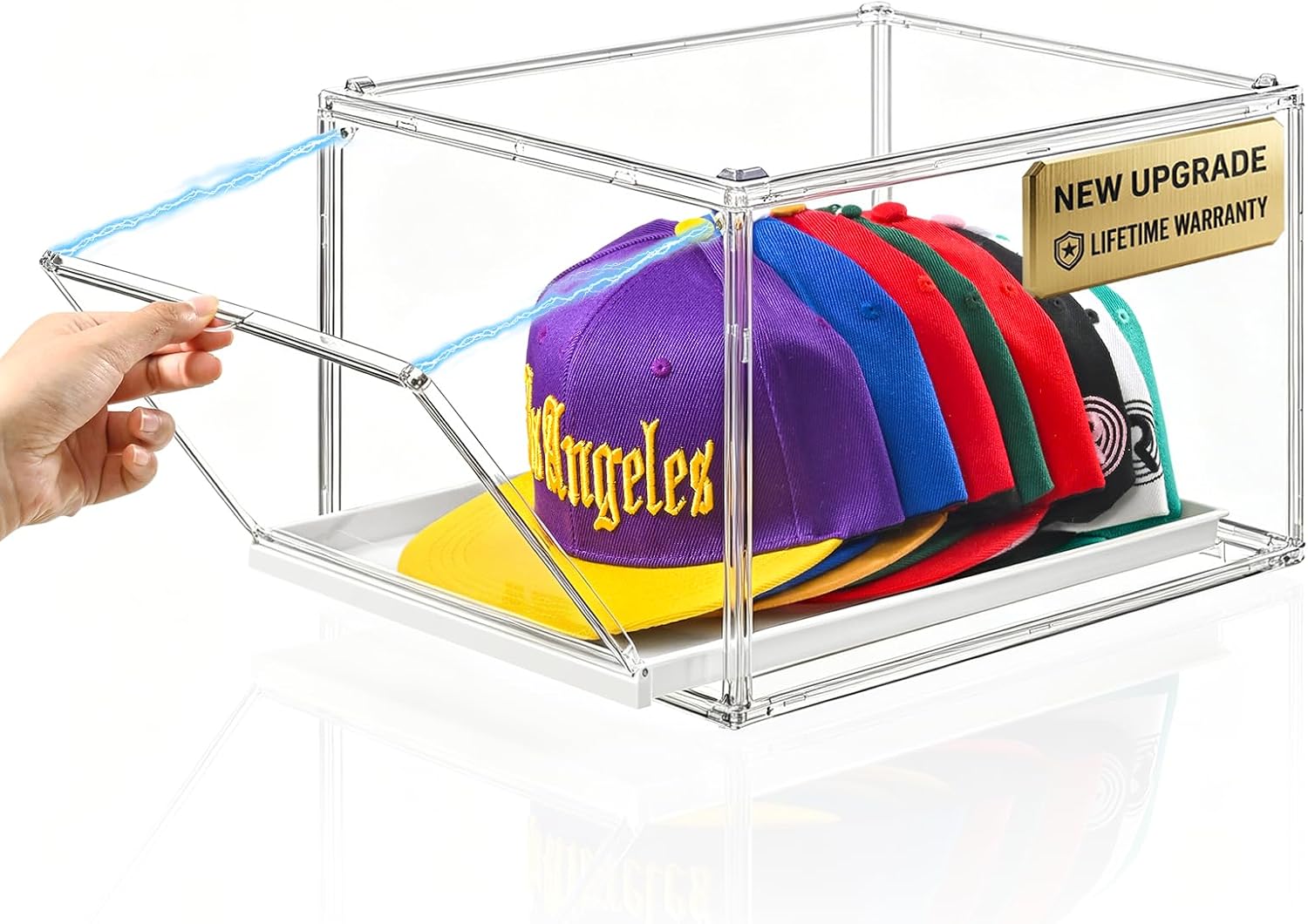
Home/Clothing closet example: sliding hat drawer, typical-price cut, bump-open magnet friction.
Check Price on AmazonI refuse pool robots and cordless cleaners when battery claims and mode language contradict each other and owner notes are too thin to interpret.
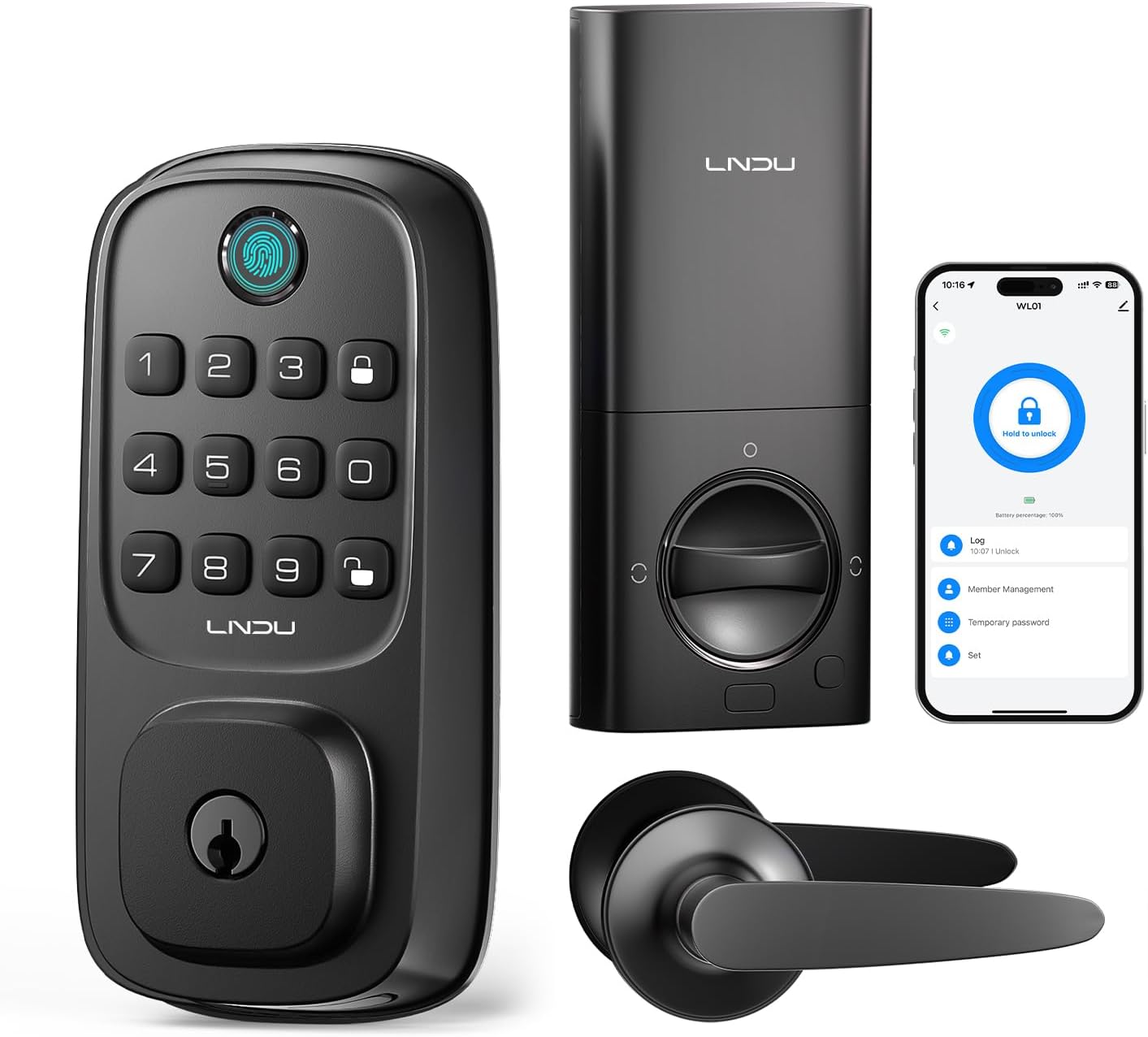
Tools/Electronics lock example: hubless Tuya deadbolt, typical-price cut, disconnect-unlock friction.
Check Price on AmazonI refuse projector deals that hide throw distance and brightness context behind Netflix badges.

Clothing lounge example: open-bottom fleece, typical-price cut, inseam-height friction.
Check Price on AmazonI refuse car mounts whose entire pitch is "military grade" without talking about vent slats, CD-slot reality, or thick-case fit.
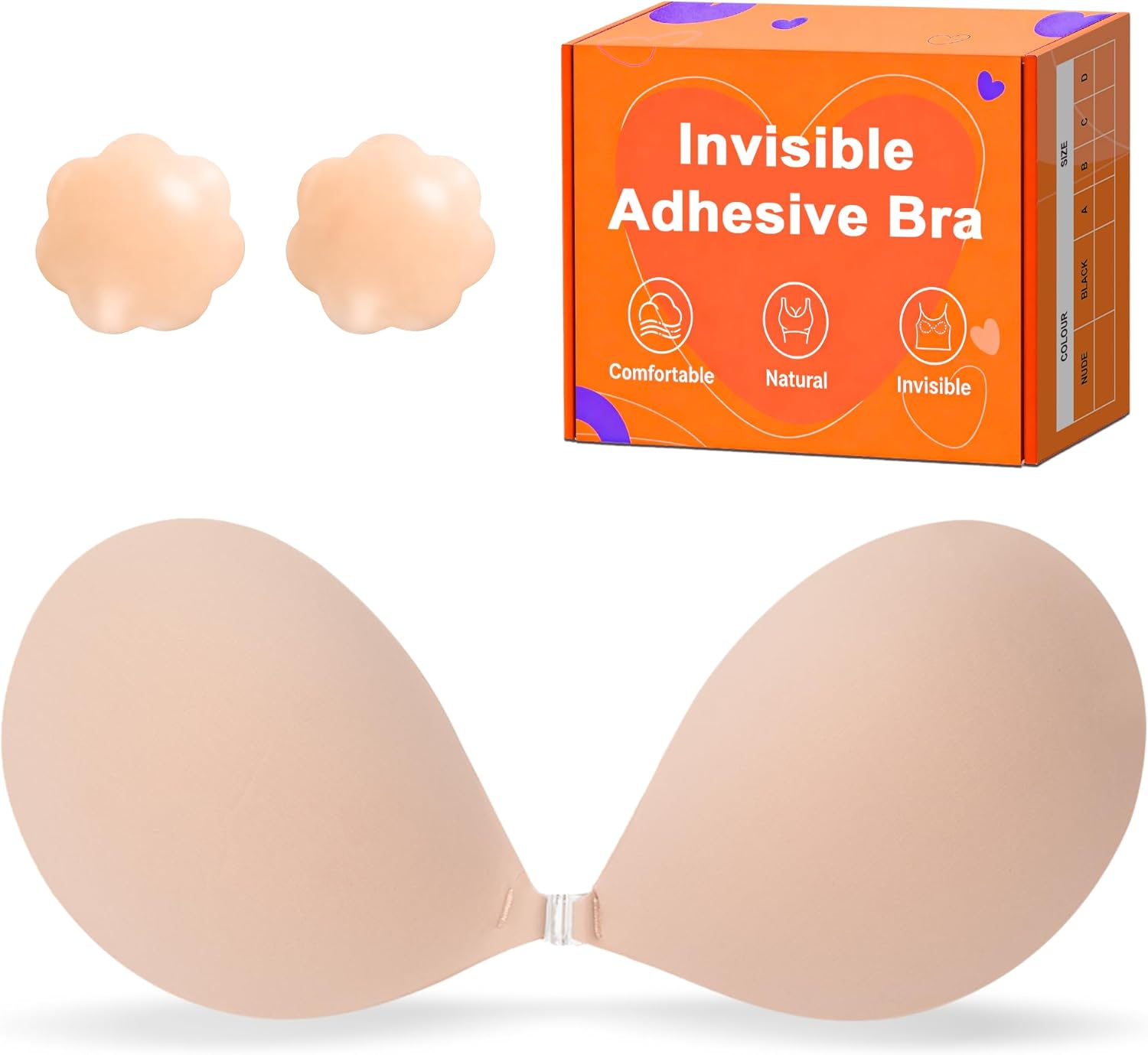
Clothing sticky-bra example: backless adhesive cups, typical-price cut, thirty-second-hold friction.
Check Price on AmazonI refuse hat-storage cubes whose magnetic-door story skips the bump-open four-star already in the pile.
I refuse WiFi deadbolts whose Grade 3 and Alexa story skips the internet-for-first-setup note already in the pile.
I refuse baggy open-bottom sweatpants whose full-length story skips the inseam height notes already in the pile.
I refuse sticky bras whose all-day-adhesive story skips the thirty-second fail already in the pile.
I refuse hex dumbbell A-frames whose commercial-slot story skips the cramped-grab three-star already in the pile.
I refuse bookmark book lights whose USB-C story skips the USB-A plug-in and bag-turn-on four-star already in the pile.
I refuse MagSafe gym bottles whose filming story skips the push-button one-star already in the pile.
I refuse LED doodle boards whose birthday story skips the novelty-wore-off four-star already in the pile.
I refuse cookbook stands whose 360-degree story skips the tight-hinge FAQ already on the listing.
I refuse 24-inch mountain bikes whose men's story skips the pad-rub video already on the listing.
I refuse camera feeders whose 3-bowl story skips sequential-portion and dry-kibble-only notes already on the listing.
I refuse handheld misting fans whose 50ml story skips tap-water-only and purse-leak notes already on the listing.
I refuse keychain 7-in-1 knives whose stocking story skips tiny-size and no-lock notes already on the listing.
I refuse spin mops whose 61-inch story skips splash and still-wet-head notes already on the listing.
I refuse translation earbuds whose Babel-fish story skips 200 monthly minutes and Vine-pile notes already on the listing.
I refuse magnesium powders whose lemon-title story skips lime-tub and spec-table notes already on the listing.
I refuse 5-in-1 cooking spoons whose drawer-space story skips a 2-rating pile already on the listing.
I refuse mini magnetic speakers whose room-filling story skips a 3.2 pile and a TWS pairing stall already on the listing.
I refuse 40% urea creams whose heel-healing story skips a 3-star no-help row and a face-too-strong note already on the listing.
I refuse 32°F winter work gloves whose snow story skips a size-up chorus and a 1-star not-waterproof row already on the listing.
I refuse clip-on tree candles whose waterproof story skips a 3.46-inch height row and a 3-star slow-flicker note already on the listing.
I refuse heated chair pads whose massage-chair story skips a vibration-only parenthetical and a 3-star no-massage row already on the listing.
I refuse high-arch insoles whose custom-orthotic story skips a hiking-boot volume row and a 1-star these-hurt note already on the listing.
I refuse Quiet-2 earplugs whose 45dB story skips a Foam/Disposable table row and a 1-star thin-plastic return already on the listing.
I refuse two-pack kitchen gadgets when the whisk heads look disposable and the stand is clearly an afterthought photo prop.
Two-week stress-test method (no cosplay science)
Week one: price integrity. I logged current price, recent median behavior, coupon stacking honesty, and whether Lightning Deal language matched what the cart actually charged.
Week two: product survival. I used or re-used field units across categories—hot parking with shade and mount, pool-side afternoons with robot and boat lighting, desk blocks with brace, morning coffee with frother, movie nights with projector.
Same notebook every category:
Does the discount still beat buying the obvious alternative?
Does review language match what I see after forty-eight hours of ownership?
Would I accept the return friction if this misses?
Does the listing hide a category-specific landmine (fit, throw distance, battery, vent geometry)?
Would I link this in a roundup without apologizing?
Examples that passed the two-week bar
Automotive cabin stack: Hot-Parking Season Deal Week: 9 Days I Actually Compared Sun Shade vs Phone Mount vs Cabin Heat (Field Test) compares sun shade heat reduction against phone mount stability when parking lots turn into ovens. That article exists because cabin comfort deals fail when you treat them as unrelated SKUs.
Backyard set-and-forget lane: Pool Robot vs Backyard "Set It and Forget It" Deals: 10 Days I Actually Ran the Numbers (Summer Field Test) pairs pool robot runtime math with outdoor lighting that actually gets installed once. Pool season and boat season spike together; fake bundle logic does not.
Living-room electronics lane: Short-Throw Projector Deal Week: 8 Evenings I Actually Movie-Nighted the iSinbox Listing (Living Room Field Test) is eight evenings of honest short-throw placement—not a spec compare page wearing sunglasses. Lap-screen counterpart: WXUNJA 11-Inch Android 16 Tablet Kit review is the 11-inch Android 16 keyboard kit when the job is travel streaming, not a wall.
Kitchen under-twenty lane: Under-$20 Countertop Gadget Week: 14 Mornings I Actually Used the REIDEA Frother Deal (Kitchen Field Test) counts mornings, not marketing foam vocabulary.
Desk wearable lane: Posture Brace Sale Desk Week: 11 Workdays I Actually Wore the Xihan Brace Deal (Fit-First Field Test) treats posture support like clothing fit first, medical miracle never.
Health habit lane: the DR Vitamin fat burner review stays on the list only when a 60-count thermogenic still looks honest after you ignore aisle hype—different problem than straps, same refuse-list discipline.
Pet turf lane: the Averbro dog grass mat review is the first Pet pick because size is measurable and the listing does not hide that this is a mat, not a tray kit. One five-star note is a data point. A $67 strikethrough on a $29.99 turf is a question. I featured it anyway with that honesty attached, not as a fake consensus.
Toys lane: the TOYOKID 2-pack electric water gun review is the first Toys pick because a two-pack backyard fight is a real summer SKU, not seasonal clutter. One rating, no United States written reviews, manufacturer age 9 to 18. I featured it as a thin-signal Toys/Sports deal, not as a foam toddler soaker.
Screen-free glow-board lane: LXT 16-inch LED doodle glow tablet review stayed because $31.99 against a $39.99 list still has a 31-rating pile arguing daily doodle use and a novelty that wore off—not because birthday stills looked like a forever toy.
Home outdoor lighting lane: the Gahomlumy 12-pack solar fence lights review is the first fence-and-railing accent pick because 37 ratings at 4.4 already argue about size, sun-tax runtime, and tape versus screws. Warm white, focused lens, solar, Tools aisle hardware sold into patio life. I featured it as a dusk-to-dawn accent kit, not a flood, and not the same job as a boat LED strip.
Beauty and household Health lane: the linseyCove eyeglass scratch remover review is the first glasses-care pick because the title says scratch remover and the bullets talk about oil film. Two ratings at 2.9, a 52/48 histogram, one written United States note. I featured it as a thin-signal daily mist, not as a lens-repair miracle, and not as a cousin of the fat-burner bottle.
Closet storage lane: the Axidou Ultra Clear Hat Organizer review is the first Hat Boxes pick because fifty-one ratings at 4.7 already include a four-star bump-open magnet note. Sliding PET drawer, stackable, $24.99 against $29.99. I featured it as closet display hardware, not a jewelry case.
Front door lock lane: the LNDU WL01 WiFi Smart Deadbolt review is the first Deadbolts pick because thirty-five ratings at 3.7 already include a demo-mode setup three-star and a disconnect-unlock two-star. Hubless Tuya, handle in the box, $99.99 against $106.99. I featured it as residential WiFi hardware, not a commercial latch.
Clothing lounge lane: the EFAN Men's Wide Leg Baggy Sweatpants review is the first men's open-bottom fleece pick because twenty ratings at 4.6 already include Mandy Bee's long-on-5'3" note and Daniela's cropped-on-tall three-star. 50/50 cotton-poly, curved panels, $25.99 against $29.99. I featured it as a genuinely baggy lounge pant, not a tapered jogger.
Clothing sticky-bra lane: the GKHWON Sticky Push-Up Bra review is the first adhesive-cup pick because 437 ratings at 4.4 already include Nini's Florida-heat four-star and Kasey's thirty-second one-star. Silicone inner, nipple covers, $9.99 against $13.10. I featured it as a backless event cup, not a banded strapless.
Scorecard in plain English
Best price-integrity filter: thirty-day median comparison before any percent-off celebration.
Best review-depth signal: owner language about friction, not adjective pile-ups.
Best category we feature cautiously: Health wearables and high-ticket cordless pool gear.
Best category we feature aggressively when honest: Under-twenty daily tools and proven automotive accessories with real review history.
Worst habit I almost slipped into: featuring a SKU because the hero image looked professional.
Worst combo: fake strikethrough plus thin reviews plus vague sizing—automatic pass.
How this connects to August picks
Full month re-check lives in Omega Choices Deal Sheet — August 2026: Every Pick I Actually Re-Checked This Month (Automotive, Home, Electronics). Every product there got the same two-week filter: pool robot, sun shade, projector, frother, phone mount, posture brace, fat burner, boat LEDs, Averbro pet turf, TOYOKID water guns, Gahomlumy solar fence lights, linseyCove eyeglass spray, Axidou hat organizer, LNDU WL01 smart lock, EFAN wide-leg baggy sweatpants, GKHWON sticky push-up bra, WXUNJA 11-inch Android 16 tablet kit, HANDBODE hex dumbbell set, Glocusent bookmark book light, Magcheer magnetic water bottle, LXT LED drawing board, Tounee book stand, SmiloSprk mountain bike, Vacqueen camera feeder, Nezylaf misting fan, WILLUCK pocket multitool, Timekettle LiveTalk, Qivolux magnesium, Fauppt cooking spoon, EGBULL M99 speaker, NUVADERMIS urea cream, Vgo 32°F winter gloves, Koopower 30 LED tree candles, COMFIER CF-2402 chair pad, PCSsole Pro Green insoles, ZovGemy Quiet 2 ear plugs.
If you only read one more page after this, read the deal sheet—but read this first so you know why those twelve survived and forty similar listings did not.
What buyers search (and what matched my two weeks)
People search "are Amazon deals fake," "how to tell real discount," "best deal site honest reviews," "Omega Choices legit," and "should I buy on sale or wait." My fortnight matched the practical answer: verify the median, read for friction not stars, and treat return-risk categories like they can cost you an afternoon you will not get back.
What failed in ways that embarrassed me
Assuming a Lightning Deal badge meant the cart would match the headline percent.
Featuring a brace listing before checking whether adjustability language matched the photos.
Letting a projector ASIN ride on Netflix-in-the-box without testing throw distance in a real room.
Trusting "6800 GPH" pool language without reading mode and battery notes together.
What worked like a boring professional
Log price behavior before writing adjectives.
Cross-link field tests so readers see systems, not isolated SKUs.
Keep a refuse list as public editorial hygiene—it makes the yes list more trustworthy.
Re-check every August pick weekly because summer categories move fast.
Quick editorial picks by shopper type
You buy on percent-off instinct: start here, then verify on the deal sheet.
You buy automotive comfort: hot-parking week plus mount and shade reviews.
You buy backyard summer gear: pool robot field test plus boat lighting review.
You buy dusk fence lighting: Gahomlumy 12-pack solar fence lights review—read the size row and the tape-versus-screws pile before the lifestyle stills.
You buy a patio pet surface: Averbro dog grass mat review—measure the rectangle, do not confuse turf with a tray kit.
You buy a backyard water fight: TOYOKID 2-pack electric water gun review—read the 9-to-18 age row before the LED photos.
You buy living-room electronics: projector week before any soundbar upsell. You buy a travel tablet kit: WXUNJA 11-Inch Android 16 Tablet Kit review—read the 4+28 RAM FAQ before the 32GB headline. You buy a home-gym hex kit: HANDBODE Hex Dumbbell Set with A-Frame Rack review—read the cramped-grab three-star before the A-frame stills. You buy a bed-reading clip: Glocusent clip-on bookmark book light review—read the USB-A and bag-turn-on notes before the amber stills. You buy a gym-hydration flask: Magcheer 24oz magnetic MagSafe bottle review—read the push-button one-star before the MagSafe stills. You buy a screen-free glow board: LXT 16-inch LED doodle glow tablet review—read the novelty-wore-off four-star before the birthday stills. You buy a desk book stand: Tounee 360° swivel book stand review—read the tight-hinge FAQ before the 360-degree stills. You buy a 24-inch hardtail: SmiloSprk 24" mountain bike review—read the pad-rub clip before the men's stills. You buy a 3-bowl camera feeder: Vacqueen vFeeder Max camera feeder review—read sequential portions before the 310-degree stills. You buy a handheld misting fan: Nezylaf SS-058 misting fan review—read the purse-leak note before the 22,000-RPM stills. You buy a keychain 7-in-1: WILLUCK 7-in-1 pocket multitool review—read the tiny-size note before the stocking stills. You buy a spin mop: Sarkunpio spin mop review—read the splash note before the 61-inch stills. You buy translation earbuds: Timekettle LiveTalk review—read the 200-minute note before the Babel-fish stills. You buy magnesium powder: Qivolux magnesium review—read the spec-table note before the eight-form stills. You buy a cooking spoon: Fauppt 5-in-1 cooking spoon review—read the 2-rating note before the five-in-one stills. You buy a mini speaker: EGBULL M99 mini speaker review—read the tinny-volume note before the RGB stills. You buy a urea cream: NUVADERMIS 40% urea cream review—read the thick-callus-only note before the heel stills. You buy winter work gloves: Vgo 32°F winter work gloves review—read the size-up note before the snow stills. You buy clip-on tree candles: Koopower 30 LED tree candles review—read the size note before the waterproof stills. You buy a heated chair pad: COMFIER CF-2402 chair pad review—read the vibration-only note before the massage-chair stills. You buy high-arch insoles: PCSsole Pro Green insoles review—read the volume note before the custom-orthotic stills. You buy Quiet-2 earplugs: ZovGemy Quiet 2 ear plugs review—read the Foam/Disposable row before the 45dB stills.
You buy kitchen habits under twenty: frother week beats countertop machine tax.
You buy desk wearables: brace fit week before health-gadget hope.
You buy glasses care: linseyCove eyeglass scratch remover review—read the name twice, and do not treat two ratings as a repair kit.
You buy closet cap storage: Axidou Ultra Clear Hat Organizer review—read the bump-open magnet note before the boutique stills.
You buy a WiFi front-door lock: LNDU WL01 WiFi Smart Deadbolt review—read the internet-setup and disconnect-unlock notes before the Alexa stills.
You buy baggy lounge fleece: EFAN Men's Wide Leg Baggy Sweatpants review—read the inseam height notes before the streetwear stills.
You buy a sticky bra: GKHWON Sticky Push-Up Bra review—read the thirty-second fail before the backless stills.
Final takeaway
Omega Choices deal picking is not about being first to screenshot a sale. It is about which listings still look honest after two weeks of price checks, field use, and return-risk honesty.
If you only remember one sentence: we feature deals that survive median math and owner friction—not deals that win a typography contest.
The honest close
I entered this fortnight expecting to refine a checklist. I left with a sharper refuse list and twelve August picks I would actually re-buy on discount: automotive cabin, backyard summer, living-room electronics, kitchen habit, desk wearable, boat lighting, fence solar, Health habit, glasses mist, Pet turf, and Toys water-fight—each with a field article or product review behind it, not a press release.